


FIRE 2026: over 250 participants at the 11th edition of the Forum dedicated to industrial heat
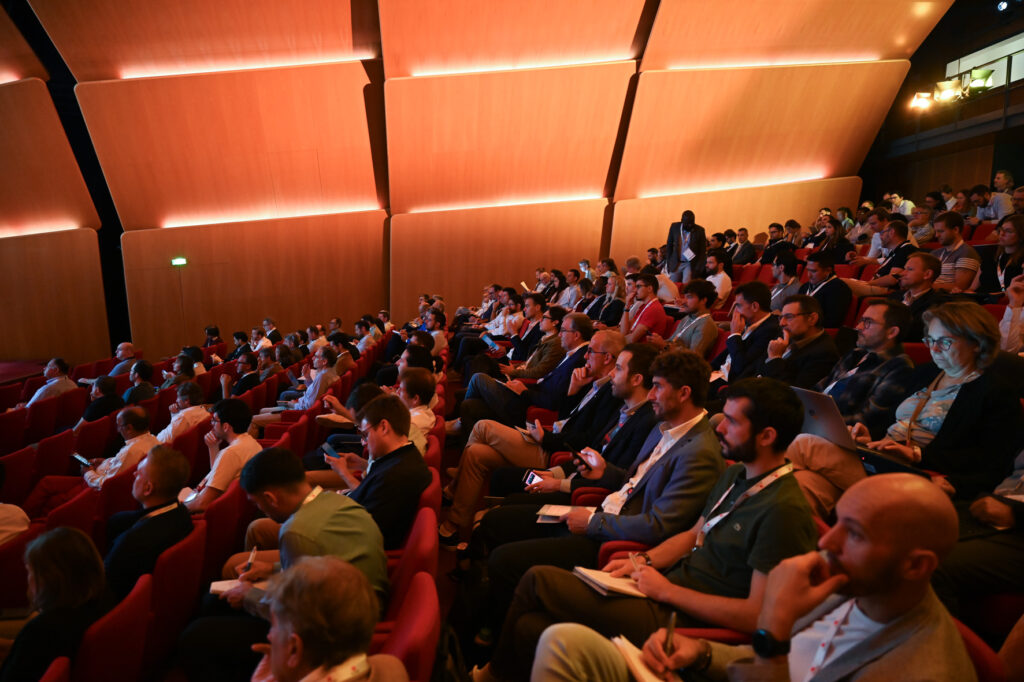
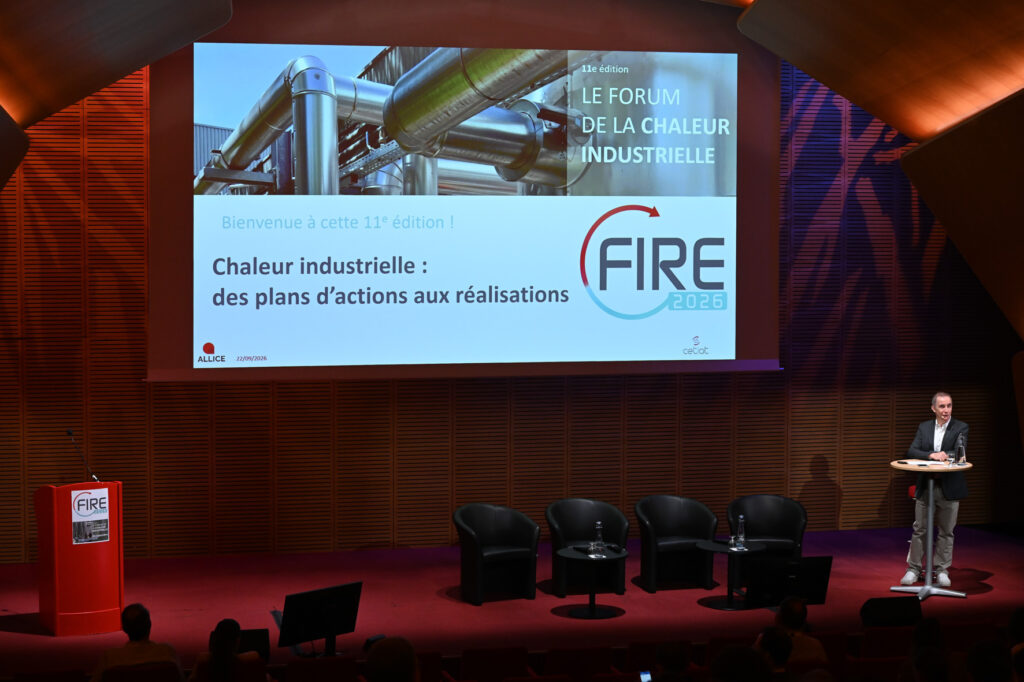
The 11th edition of FIRE – Technical forum on low-carbon heat– co-organised by ALLICE and CETIAT, took place on 22 September at the Lyon Convention Centre.
More than 250 participants gathered to discuss an issue that has now become central to the industry: moving from action plans to concrete achievements in decarbonising industrial heat.
‘Industrial heat: from action plans to achievements’
Since its 10th edition, FIRE has marked a turning point by broadening its scope beyond its traditional focus, which centred primarily on the recovery of industrial waste heat.
This year’s theme thus provided an opportunity to explore industrial heat in all its diversity and from the perspective of its decarbonisation. Particular emphasis was placed on feedback from committed industry representatives, who came to share their achievements and successes, as well as the difficulties they encountered in taking action.
By 2026, the industrial landscape will have changed profoundly. Solutions that were once emerging are now mature, whilst volatility in energy prices has become a permanent feature. Against this backdrop, managing energy consumption and decarbonising heat have become strategic priorities for manufacturers.
Introduction: a presentation of a new study by ADEME
To kick off this year’s event, ADEME gave a preview of the initial findings from its new national study on waste heat resources, which is due to be published this year. This study updates the baseline data published in 2017.
This update covers the available sources in France, taking particular account of developments in the industrial sector, power stations, wastewater treatment works and data centres. It also includes a focus on sources of internal heat recovery, the impacts of electrification and oxy-combustion, the supply of heat to district heating networks, and the development trends for new sources, particularly through data centres.
Lectures, round-table discussions, plenty of feedback on experiences…
Since its inception, FIRE has placed the sharing of real-world case studies at the heart of its programme. The numerous case studies presented at this year’s event, complemented by discussions with the audience, provided an opportunity to explore several key drivers for decarbonisation projects:
- Power-to-Heat and flexibility: how can we combine decarbonisation with economic performance?
- Optimising industrial heat: from recovery to utilisation
- Using recovered heat outside the process
- Short-term action: projects suitable for all types of industrial sites
- Decarbonising drying processes: which solutions are suitable for which project scales?
The diversity of the sectors represented and the presence of numerous manufacturers made it possible to provide concrete solutions to these challenges, drawing on initiatives that are already up and running.
Insights from industry to help take action
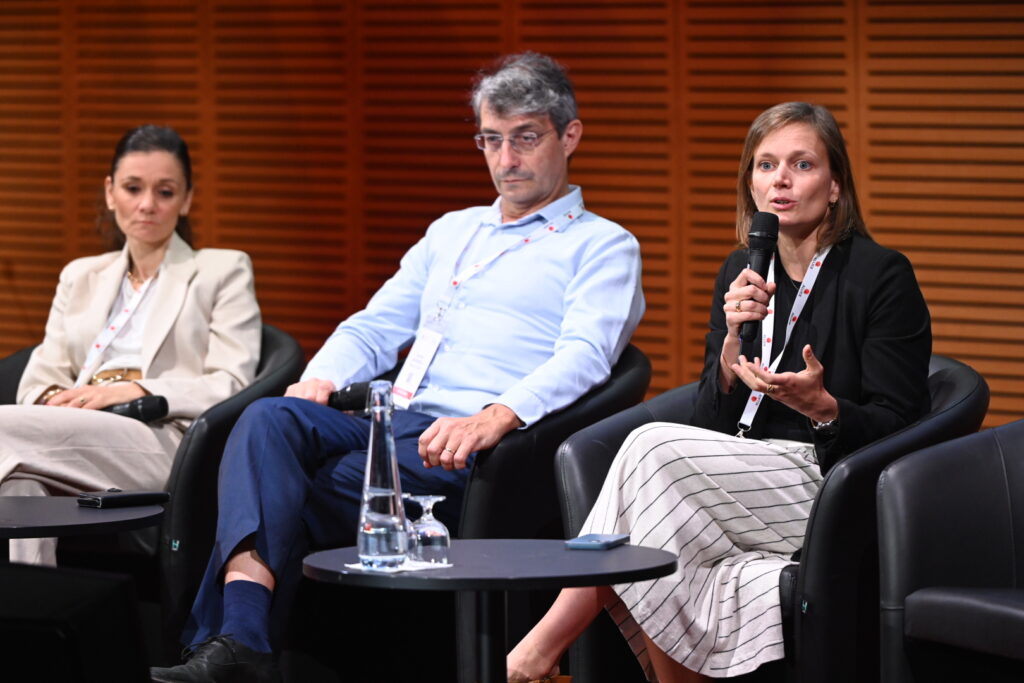
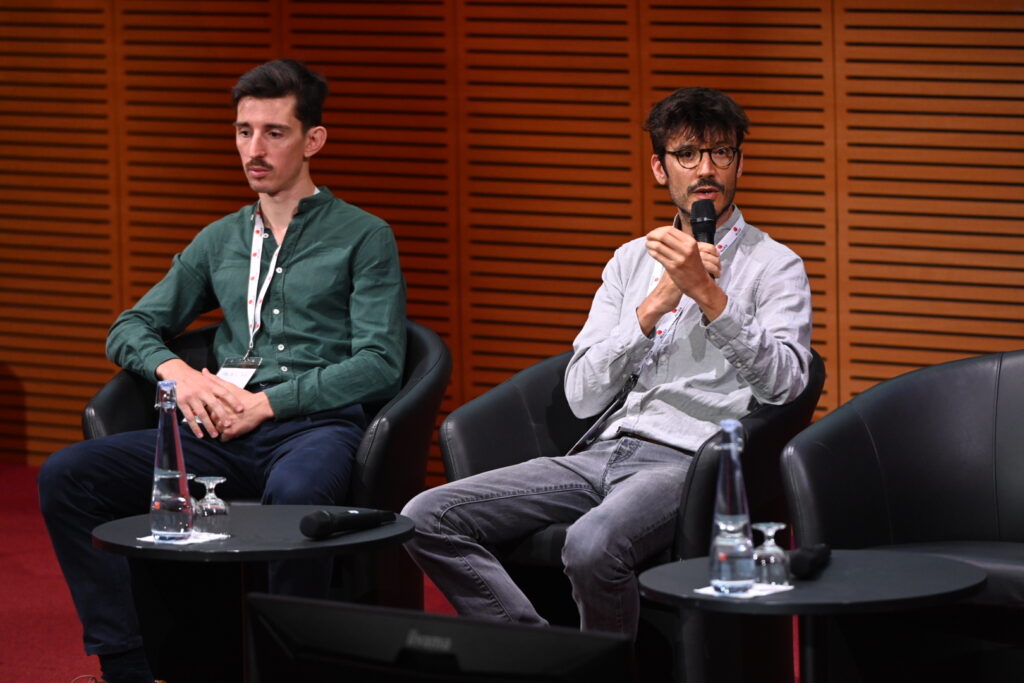
Among the case studies presented at this year’s event:
- Using the electricity market to decarbonise heating: two industrial projects for temperature ranges of 150 to 500 °C, in partnership with Villeroy & Boch, Eco-Tech Ceram and EPYR.
- Waste heat from a systems perspective: applying Pinch analysis to a fruit juice production site, in collaboration with 3E Performance.
- Generating 12 MWth of low-carbon superheated steam (>150 °C): a case study on a heat pump/CMV combination at Delfort in Finland, in collaboration with Turboden.
- Use digital twins to optimise and monitor system performance over time, with Newheat.
- Improve a boiler’s energy efficiency by 30 per cent through a virtuous cycle of heat recovery, with Idex.
- Harnessing waste heat from refrigeration units to produce water at 95 °C using an industrial heat pump, in partnership with Armstrong International.
- Electrification of a thermal fluid boiler plant to replace heavy fuel oil, in collaboration with Coretec and Tokai Cobex.
- Decarbonisation and recovery of waste heat at the EUROFLOAT glassworks using TURBOSOL cogeneration technology, in partnership with Hevatech and Eurofloat.
- Focus on ORC systems: industrial case study on heat recovery from the float furnace at the AGC glassworks in Seingbouse, in collaboration with E.ON.
- An industrial site supplies 4,000 homes in Vénissieux (Rhône, France): an example of a regional industrial ecology initiative involving Dalkia and Tokai Cobex.
- Hybridisation and flexibility in energy sources, with Fives.
- Decarbonising the drying process without affecting operations: the Omya & Dalkia partnership.
All these projects illustrate the diversity of solutions available today and the importance of tailoring technological choices to the specific characteristics of each industrial site.
Workshops to explore practical solutions in greater depth
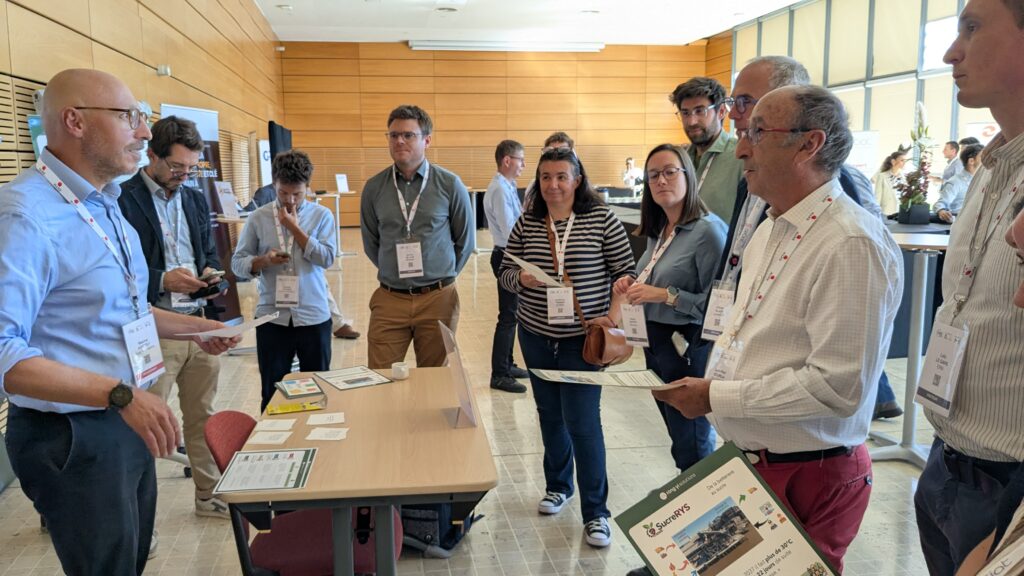
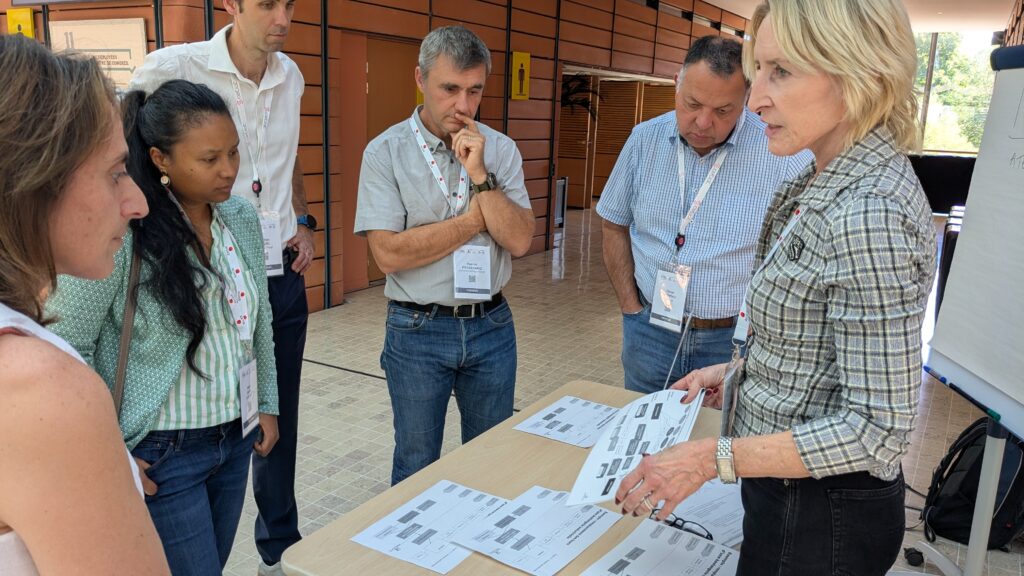
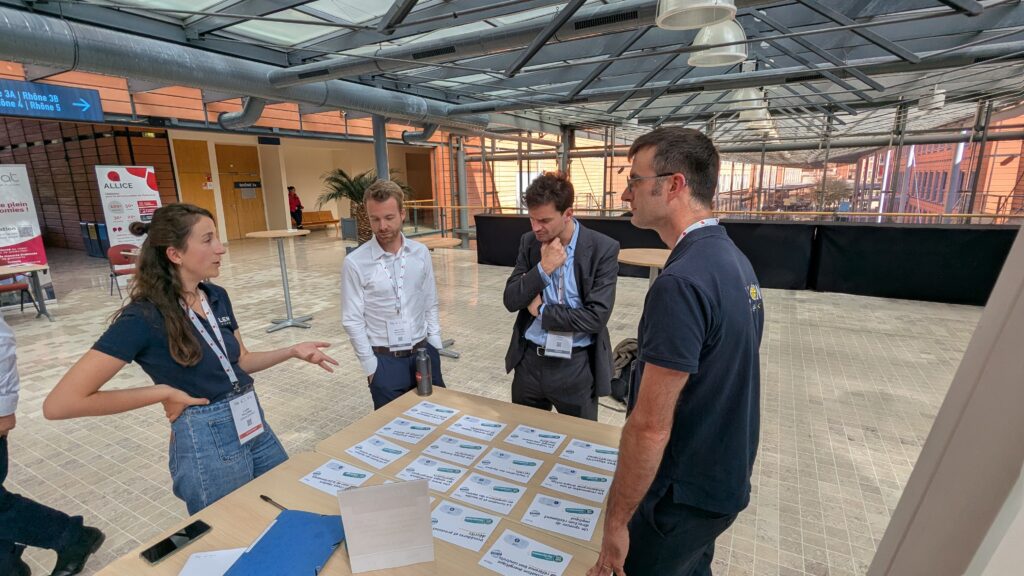
In keeping with its aim of making FIRE an event that is technical, practical and operational, this year’s edition also broke new ground with the introduction of immersive and educational workshops.
The aim: to enable participants to explore in greater depth solutions that can be directly applied to their challenges relating to energy performance, process optimisation and adaptation to climate change.
The workshops on offer include:
- Check the insulation of your equipment using a thermal imaging camera with CETIAT
- Illustrating the application of the non-energy benefits method using Ipso Facto
- Adapting to climate change with Rong Yi Solutions
- Find out about the training courses and support programmes offered by PACTE Industrie, in partnership with ADEME and ATEE
- ISO 50001: where to start to turn it into a real driver of performance? with Lemon Energy
This new approach has made it possible to complement the presentations and feedback sessions with more practical discussion sessions, closely focused on the issues encountered in the field.
Fruitful discussions, highly praised by the participants!
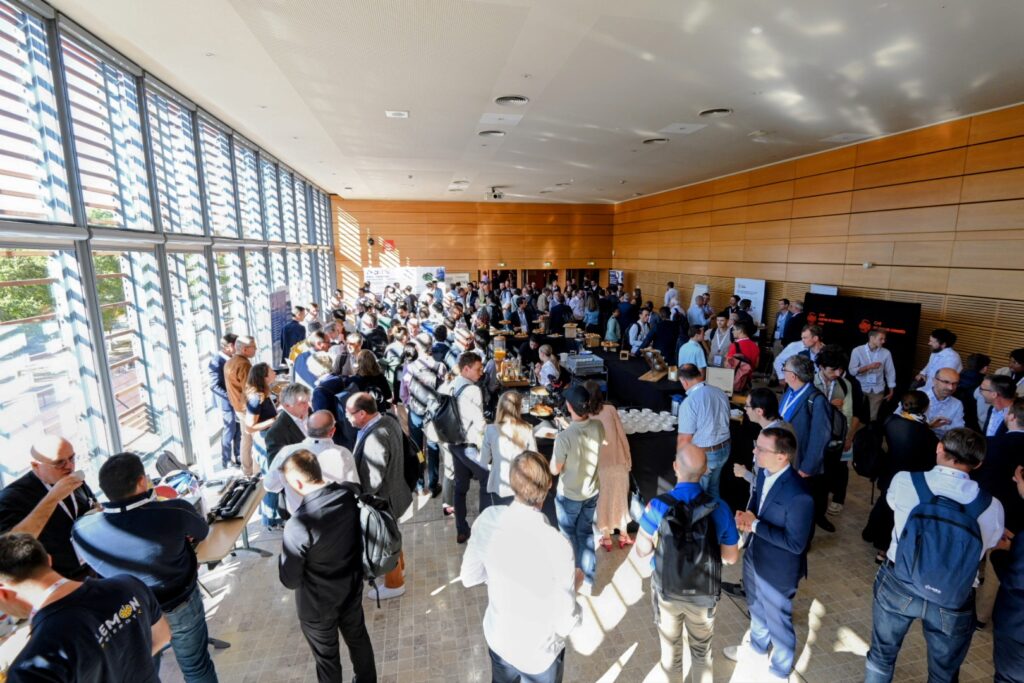
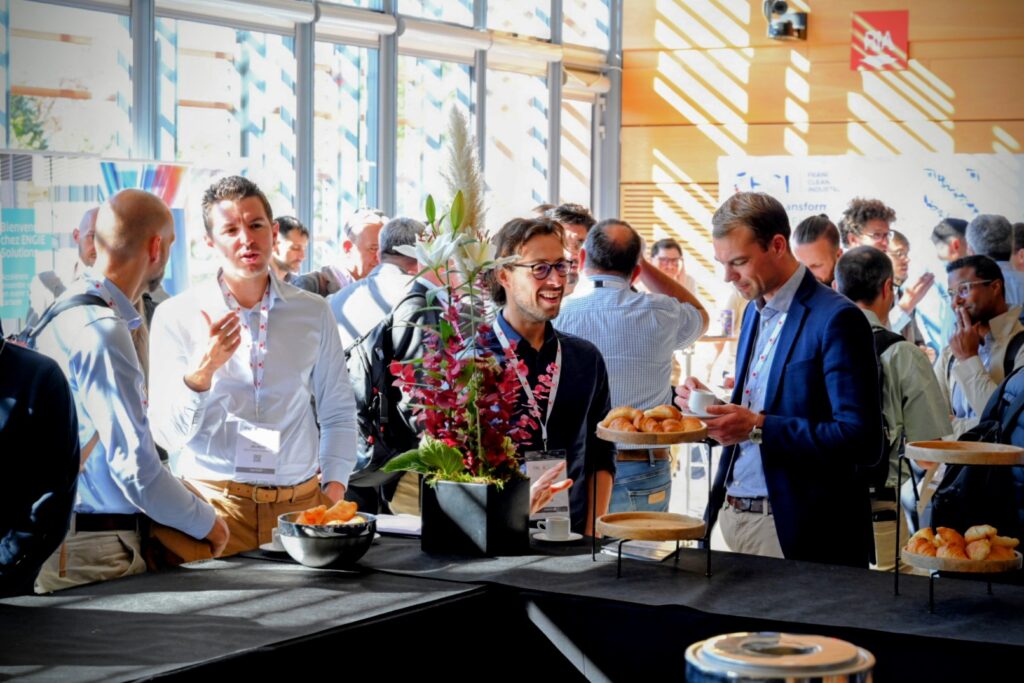
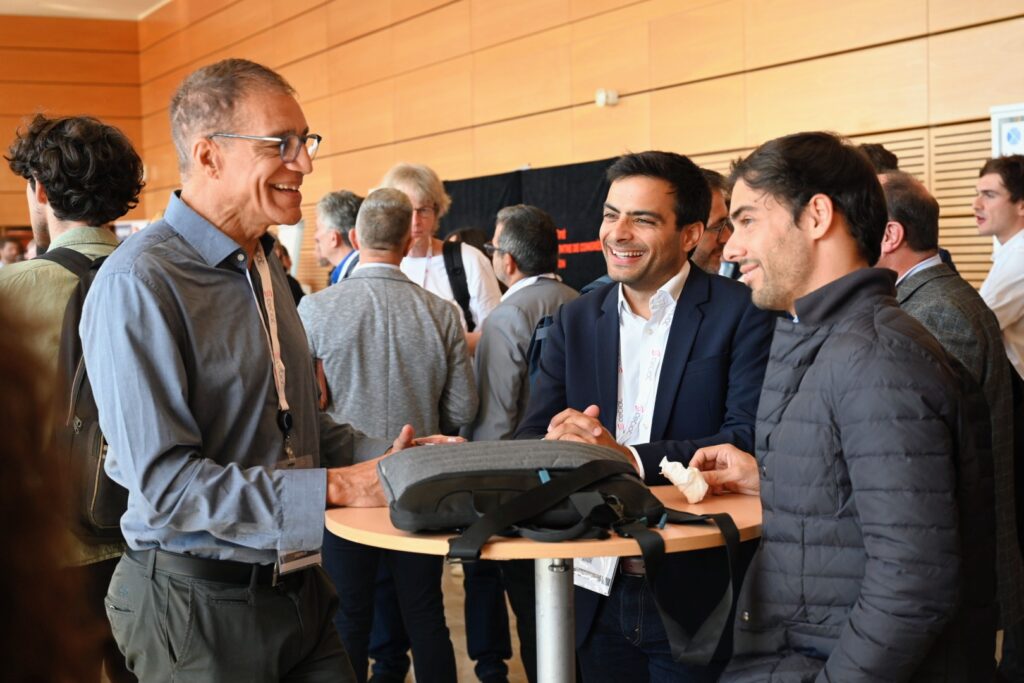
As well as the commitment shown by industry players to decarbonising their heat supply, this 11th edition was also characterised by the fruitful discussions between participants.
The breaks and discussions at the stands of the event’s 10 partners provided a particular opportunity to continue the discussions, compare experiences and identify new avenues for collaboration.
With 260 participants and over 30 speakers, this year’s event confirms the industrial community’s growing interest in solutions that enable decarbonisation ambitions to be turned into concrete, operational projects.
Thank you to all the participants, speakers and partners for this wonderful edition of FIRE!


The teams at ALLICE and CETIAT look forward to seeing you in 2028 for the next edition!
Photos: ©Nicolas Rodet
Vidéo : YAWL Studio